Chinese New Year profits can only go so far for bak kwa businesses—year-round survival depends on strategy & innovation
Chinese New Year (CNY) is just around the corner.
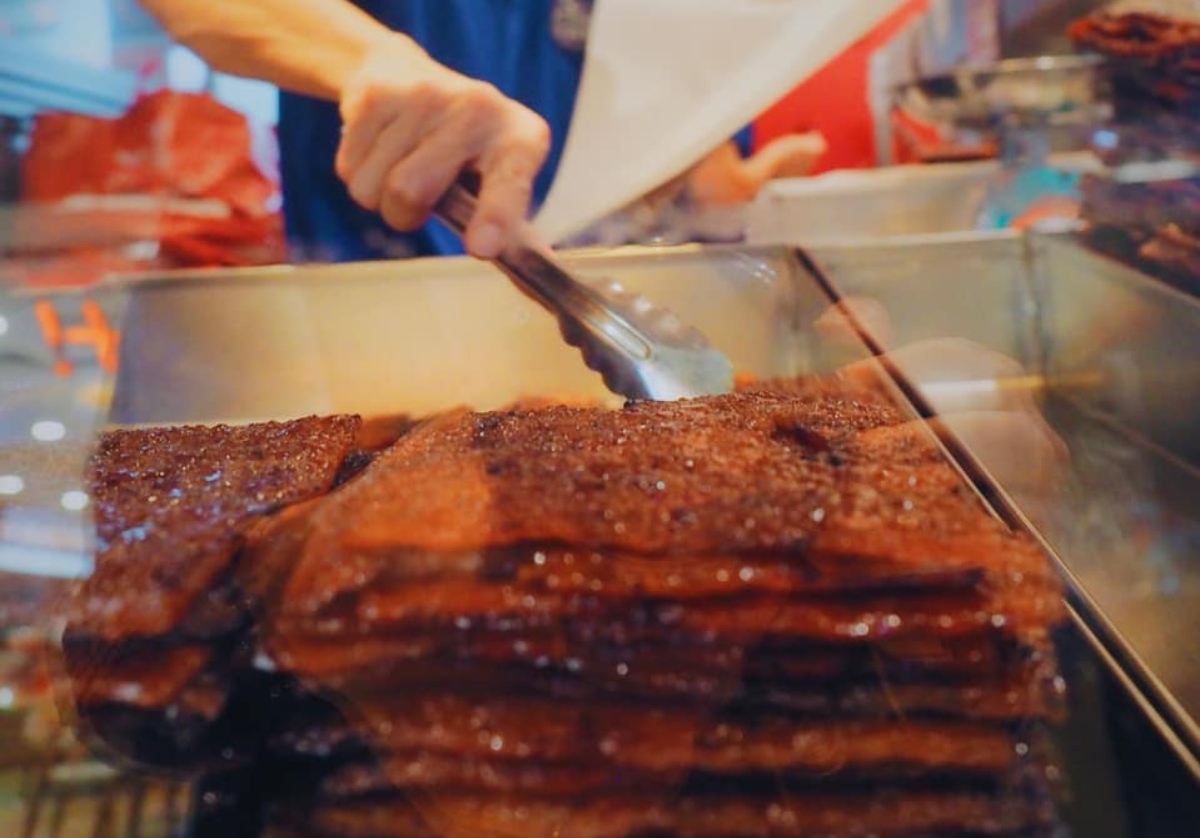
As the festive season approaches, queues form outside food businesses across the island, including bak kwa shops, as customers clamour for the sweet, smoky slices of barbecued pork synonymous with the holiday.
But have you ever wondered what happens to bak kwa shops once the festive rush ends? How do these brands survive during the other eleven months of the year, and are CNY sales alone enough to keep them afloat?
Here’s how they sustain their businesses year-round.
Why CNY matters

First off, there’s no denying that Chinese New Year sales do play a significant role in a bak kwa shop’s yearly revenue.
Traditionally enjoyed by numerous households during the festival, bak kwa, like many other festive products and services, sees significant demand leading up to CNY.
In response, production ramps up, with shops often working around the clock to meet orders, and prices are adjusted to reflect the seasonal rush. Within the industry, it’s no secret: a substantial portion of annual revenue is made during this period.
For instance, in Jan 2025, bak kwa prices rose by as much as S$18 per kg. Hu Zhen Long, which normally sells at S$68 per kg, raised its price to S$78 before CNY.
Similarly, Kim Hua Guan’s price jumped from S$60 per kg off-peak to S$66 last year, with this year reaching up to S$68. A staff member told AsiaOne: “Every week (approaching Chinese New Year), there’ll be an increase in price of two dollars [for bak kwa].”

Renowned chain Lim Chee Guan recorded an even higher mark-up, with prices rising as much as S$18 per kg for its signature bak kwa, reaching S$80 per kg for this CNY.
Despite the high prices, customers continue to buy, and the demand is so intense that some bak kwa businesses begin preparations long before the festive season. Bee Cheng Hiang, for example, starts its production planning a year in advance to ensure it can meet the surge in orders during Chinese New Year.
Sales during the rush don’t just boost profits—they also fund everything else: staff salaries, electricity, factory costs, and rent, sometimes even covering expenses for the next six months.
Diversifying sales channels
For most Singaporeans, bak kwa might seem like a seasonal treat, but there’s another audience that keeps the business going outside of CNY: tourists.
Whether freshly made or sold in vacuum-sealed packaging, bak kwa can be a carry-on-friendly souvenir with an extended shelf life. It’s no surprise, then, that bak kwa shops often set up in high-footfall, tourist-heavy locations such as Orchard Road, Changi Airport, and Chinatown.

Brands have also expanded overseas to leverage foreign markets, increasing their global presence and introducing bak kwa to new audiences beyond Singapore. For instance, Bee Cheng Hiang has 360 stores across 11 territories, while Fragrance exports its products to USA, Canada, Australia and New Zealand.
To reach even more customers and open additional revenue streams, many brands have embraced e-commerce through their own websites or platforms like Shopee and Lazada.
Kim Joo Guan, for instance, reported that 70% of its sales during the 2024 festive season came from online orders. Its director, Arthur Ong, noted: “After the pandemic, people are more used to ordering online and are opting for delivery service,” turning bak kwa into a snack that can be enjoyed year-round.
The brand has even begun experimenting with more creative ways to expand accessibility. Since 2025, it started selling bak kwa through vending machines in shopping malls.
Innovating new offerings
Another way brands diversify is by not focusing solely on bak kwa. They use the same raw materials and production facilities to create higher-margin products, expanding their offerings while keeping costs efficient.

Over the years, Bee Cheng Hiang’s Singapore factory, for example, has experimented with products like pork floss cheesecake and bak kwa chiffon cake to diversify its offerings beyond traditional slices.
Since 2018, the brand has also run a 2,000 sq ft bak kwa-themed bistro, BCH Grillery, on Serangoon Road, where diners can barbecue their own meats, experiment with making pork floss, and try wine-meat pairings.
Other brands have undertaken similar strategies. 56-year-old Fragrance has come up with innovative offerings, including coin-shaped bak kwa for easy consumption, crocodile meat bak kwa, and premium bak kwa varieties like Iberico pork and Kurobuta, while cashing in on trendy flavours such as truffle, mala, and satay.
Rather than just seasonal snack sellers, these offerings position bak kwa brands as year-round lifestyle and premium food brands.
Operational efficiency with AI & automation
Beyond these initiatives, some brands are turning to technology to optimise operations. In 2025, Bee Cheng Hiang adopted a digital-first model to unify online and offline experiences.
“Heritage brands have unique requirements that off-the-shelf solutions can’t address. Technology isn’t just an enabler; it’s the key to preserving our authenticity while delivering seamless experiences,” General Manager Ang Bee Kee explained, reframing technology as a core business strategy rather than a mere means to streamline retail operations.

The brand built a seven-person in-house team to integrate modern retail technology across operations. Using AI-driven demand forecasting and tools that analyse sales patterns across outlets and seasons, Bee Cheng Hiang can anticipate demand, avoid wasting meat, and ensure it doesn’t miss potential sales, while also enhancing the customer experience year-round.
Customers can now earn and redeem points, access offers, and enjoy consistent service regardless of location—solving issues of geographic-specific, fragmented loyalty programs and offline-centric operations.
To Bee Cheng Hiang, the results have spoken for themselves: online order values quadrupled, revenue and profitability improved by 5%, and membership expanded by 900%. The business has also introduced an automated fulfilment system with real-time tracking, capable of handling extreme seasonal demand while processing over 100 supplier documents daily and managing multi-currency transactions seamlessly.
This has led Bee Cheng Hiang to run the business better in quieter months, while getting ready for the next big rush.
Surviving beyond the seasonal rush
While CNY still plays a huge role in sustaining bak kwa businesses, diversifying sales channels, expanding overseas, innovating new product offerings, and harnessing technology have allowed bak kwa makers to no longer rely solely on the seasonal rush.
Success in this space requires more than tradition—it demands strategy, innovation, and agility.
- Read other articles we’ve written on Singaporean businesses here.
Featured Image Credit: Bee Cheng Hiang/ Lim Chee Guan