
A Wi-Fi range extender and a Wi-Fi access point differ only by how they connect to the existing network. The latter uses a network cable, which can be infrastructure-prohibitive, whereas the latter is always much more readily applicable since it uses, well, the air.
Wi-Fi range extender: What they are and how to pick the right one for your needs
You’ll find the top 5 Wi-Fi range extenders to bring home in this post.
Before continuing, though, keep in mind that, just like access points, extenders are not created equal—what you should get depends on the hardware of your current Wi-Fi network.
The top five best Wi-Fi range extenders for different use cases
There are many Wi-Fi range extenders on the market. However, I only consider those with the following two criteria for the best list:
- They must have at least one network port that can serve as the uplink (access point mode) or as a LAN port to host a wired client (extender mode).
- They must belong to an ecosystem in which they can function as a mesh point (a.k.a. node or satellite unit).
In other words, these devices must be able to function as standalone range extenders by default, as a standard Wi-Fi access point, or a member of a Wi-Fi system when used with a supported router.
The point here is that you should look at them as representatives of different use cases—they are the absolute best for all situations. The list is ordered by the rating with the highest on top, but any will be your “best” option depending on the situation.
1. TP-Link RE653BE: TP-Link’s EasyMesh-ready tri-band Wi-Fi 7 extender
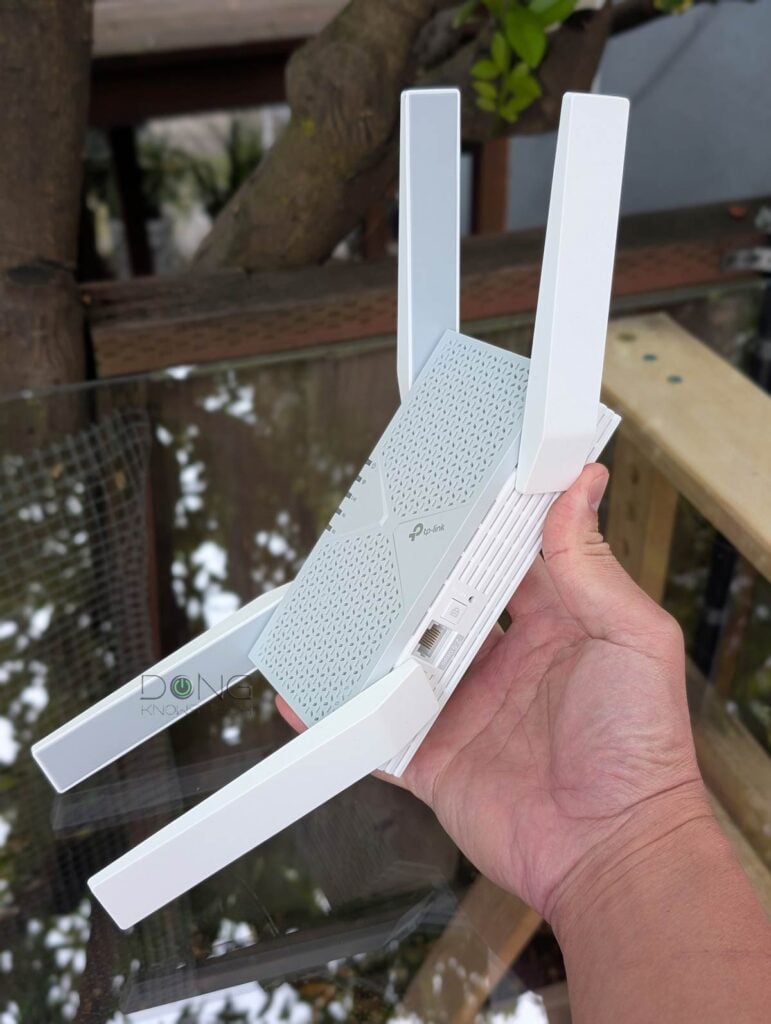
The TP-Link RE653BE is one of a few tri-band Wi-Fi 7 extenders on the market with top-tier hardware specs and a 2.5Gbps uplink/LAN port. It works best when paired with a tri-band TP-Link Wi-Fi 7 router.
Pros
2.5Gbps uplink/LAN port with various operation modes (extender, access point, and EasyMesh node)
Top-tier Wi-Fi 7 specs with fast, reliable performance and good coverage
Convenient design, full web interface
Cons
Bulky design with no pass-through power socket
Awkward support for MLO, IoT, and Guest SSIDs when working as an extender or EasyMesh point
2. Ubiquiti U7 Mesh: Ubiquiti’s dual-band UniFi extender with extreme backhaul range
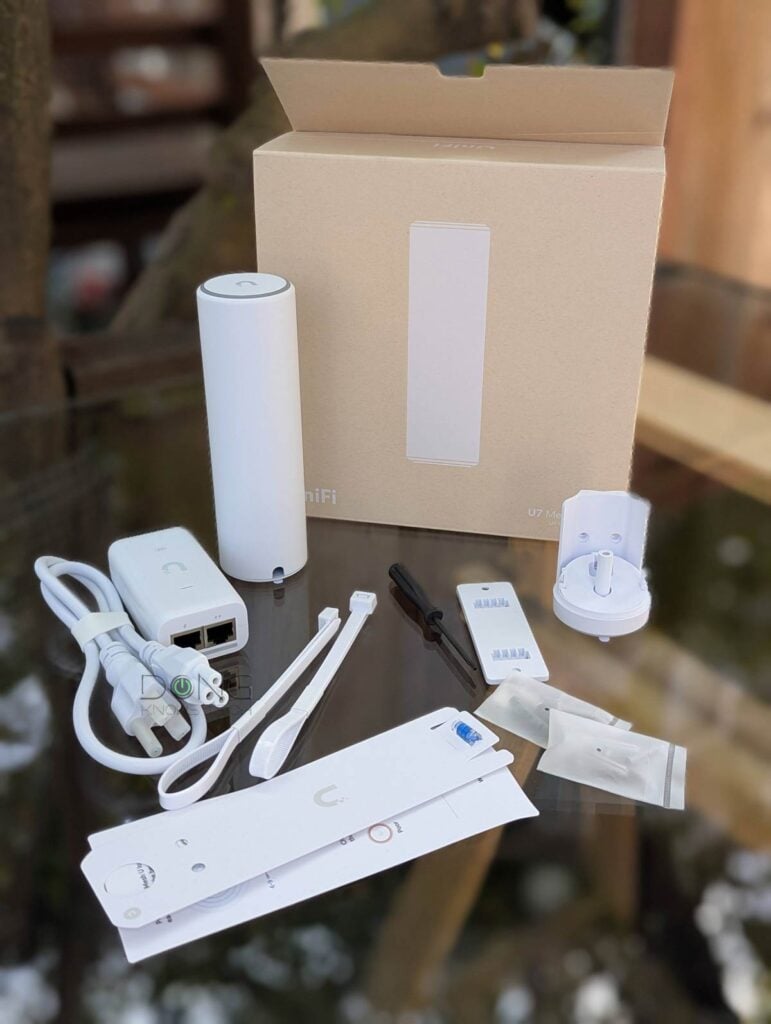
The U7 Mesh is not technically an extender by design, but it can work as one in a UniFi Wi-Fi network. In this case, it has the best uplink range to date.
Pros
Compact and rugged design with reliable performance and exceptionally extended backhaul range
Seamless integration with a UniFi Cloud Gateway, as an access point or a mesh unit, to deliver a robust Wi-Fi system with advanced and useful features
Simple to set up and manage, fanless design, low PoE power draw, runs relatively cool, 2.5Gbps PoE injector included
Cons
Modest dual-band Wi-Fi 7 specs with only Gigabit-class real-world rates
A UniFi network is required to deliver the full potential
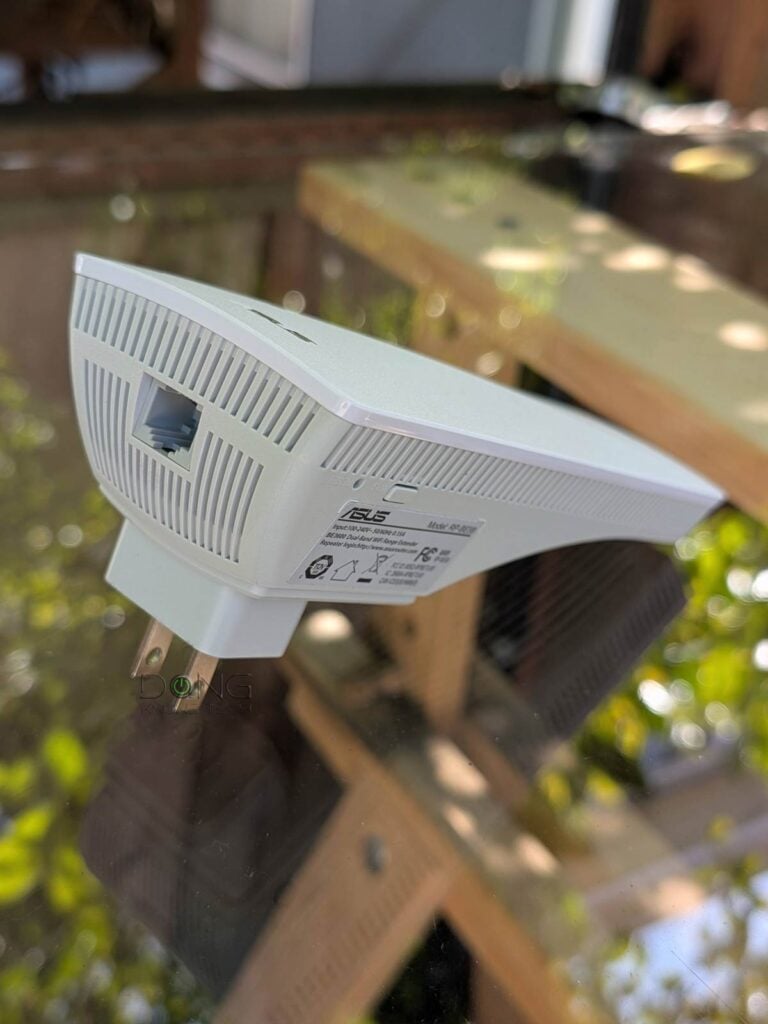
3. ASUS RP-BE58: ASUS’s low-cost dual-band Wi-Fi 7 AiMesh extender
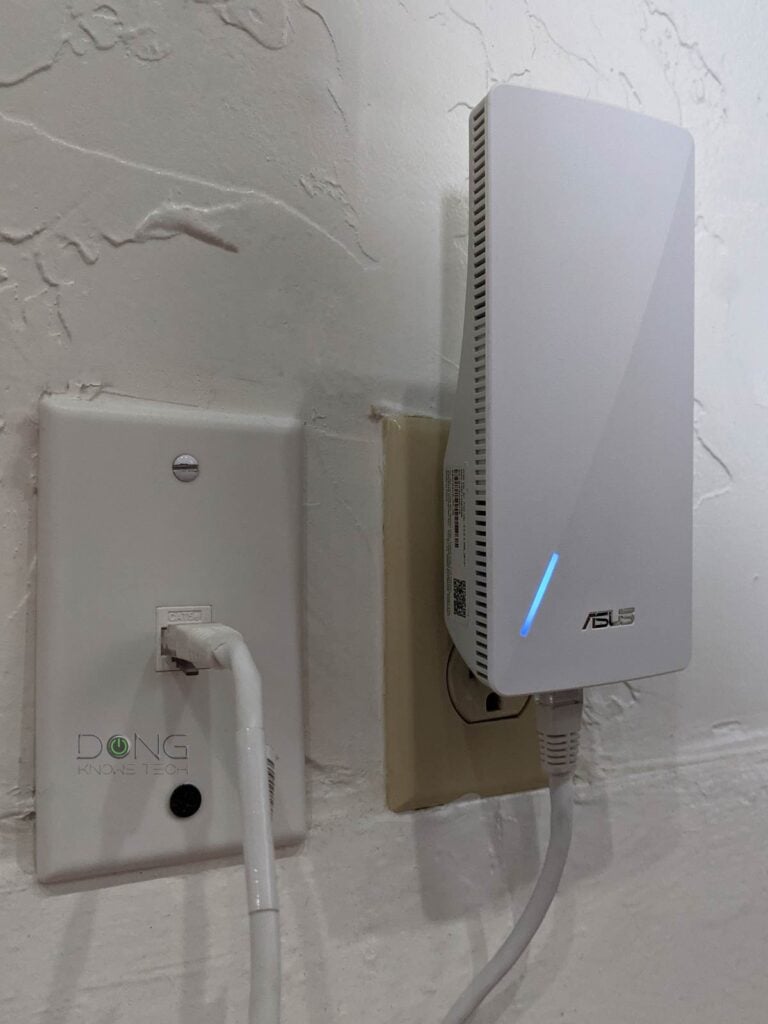
The ASUS RP-BE58 is a low-cost and modest dual-band Wi-Fi 7 extender. It can work with any existing network but is best paired with a dual-band ASUS Wi-Fi 7 router.
Pros
Affordable with dual-band Wi-Fi 7
Reliable performance for sub-Gigabit bandwidth needs
Versatile operation modes
Convenient design, responsive web user interface with optional mobile app
Cons
Uplink bandwidth is limited to a Gigabit
2×2 Wi-Fi specs with modest real-world rates
Relatively bulky with no passthrough socket
4. ASUS RP-AX58: ASUS’s low-cost dual-band Wi-Fi 6 AiMesh extender

The ASUS RP-AX58 is the Wi-Fi 6 version of the ASUS RP-BE58 above—the two look identical. It works best with an ASUS Wi-Fi 6 router, making it an even more affordable option these days.
Pros
Reliable and relatively fast Wi-Fi (for the specs) with good coverage
Can work as an Access Point, a Media Bridge, an Extender, or an AiMesh node (via wireless or wired backhaul)
Convenient design, excellent web interface
Cons
Modest 2×2 specs; only one Gigabit port; no Multi-Gig support
Bulky for a snap-on device
5. TP-Link RE715X: TP-Link’s EasyMesh-ready dual-band Wi-Fi 7 extender
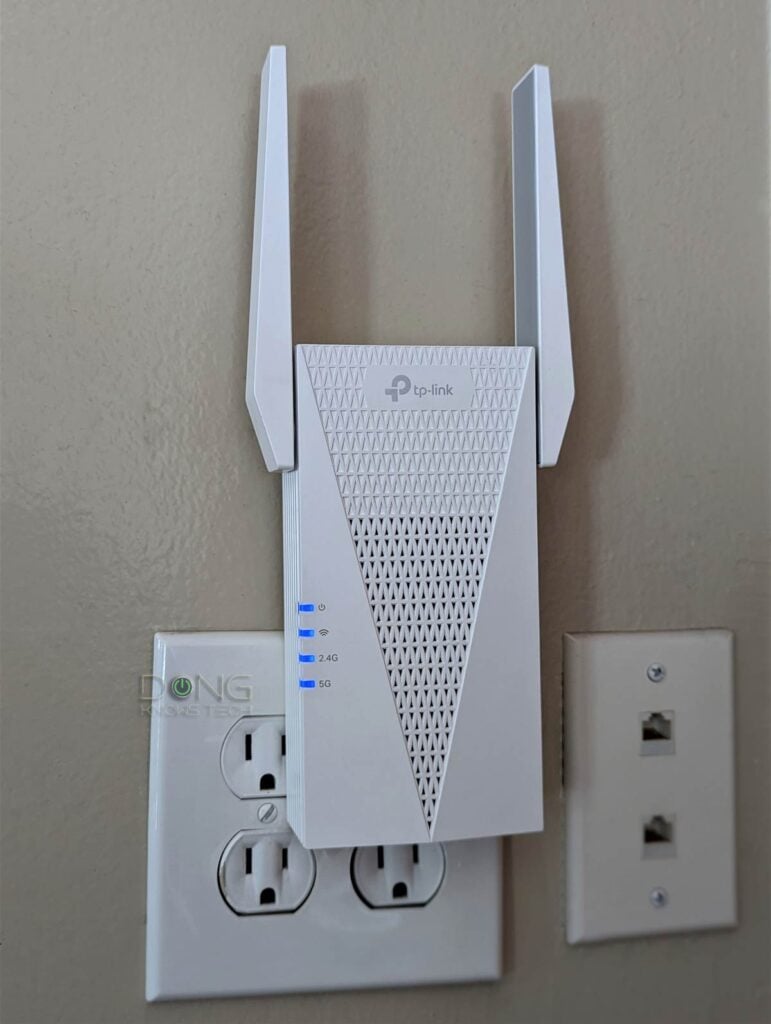
The TP-Link RE715X is somewhat the Wi-Fi 6 version of the TP-Link RE653BE above and is best paired with a TP-Link Wi-Fi 6 router that supports OneMesh or EasyMesh.
Pros
Versatile and easy to use; can work as an extender, an access point, or a OneMesh satellite
160MHz support, reliable performance with decent data rates and coverage
Convenient design, full web interface
Cons
No wired backhauling as a OneMesh satellite
Super-bulky, no pass-through socket
Slow performance as a standard extender with virtual MAC address issue.
The final thoughts
Again, none of the range extenders above are the absolute best. Rather, they are best used within a network that supports Wi-Fi. If you don’t have such a network, they will still work, just not at their best.